Increase Your ITIN Credit Card Approval Odds
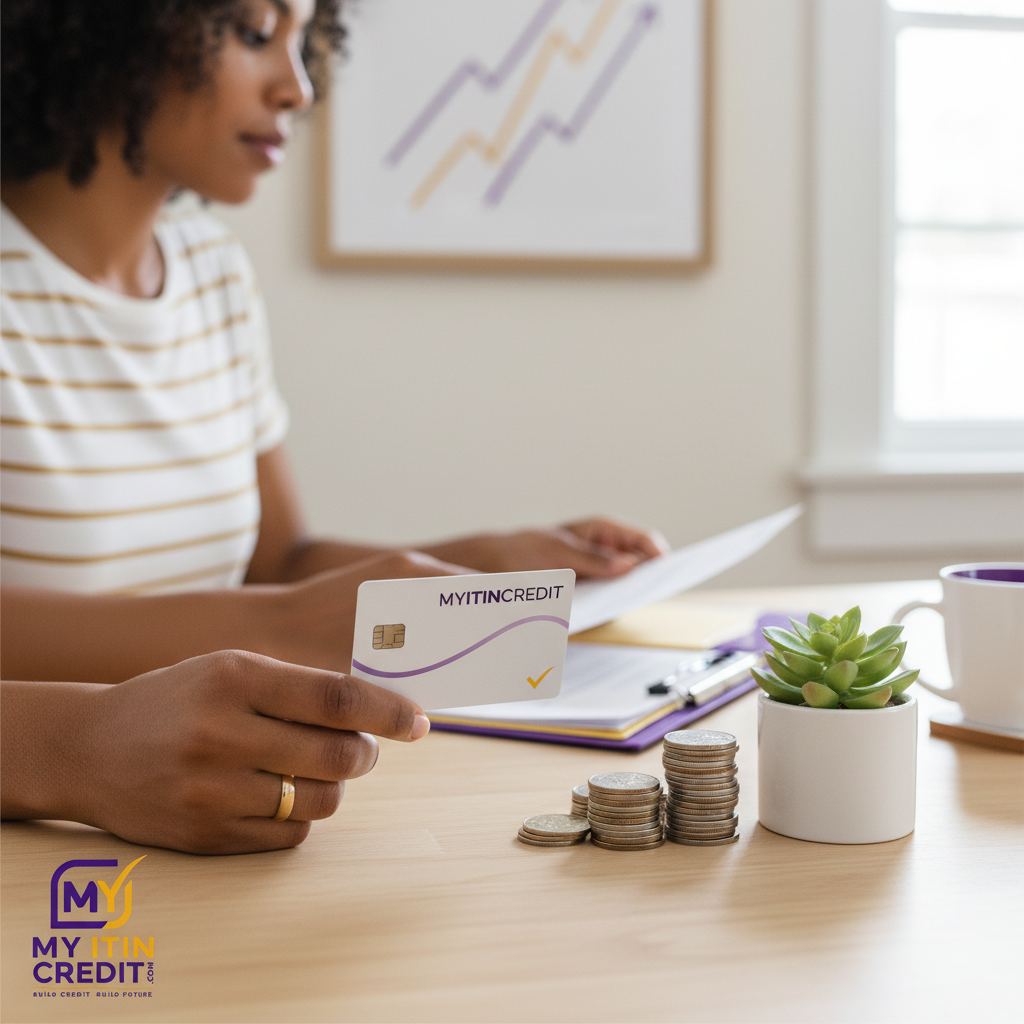
Increase Your ITIN Credit Card Approval Odds: What Lenders See
What Lenders Look At Beyond Your ITIN
While your ITIN allows you to apply for credit cards, it's just one piece of the puzzle. Lenders consider a range of financial information to make an approval decision. They're looking for signs of financial responsibility and your ability to manage debt.
Your Credit History
Your credit history is a record of how you've managed borrowing money in the past. When you apply for a credit card, lenders typically request a copy of your credit report from one or more of the major credit bureaus (Experian, Equifax, or TransUnion). This report details your accounts, payment history, and how much credit you've used.
For ITIN holders, establishing a credit history can sometimes be challenging, especially if you're new to the U.S. financial system. However, building credit with an ITIN is entirely possible. Lenders want to see:
- Payment History: Your record of making payments on time. Consistent on-time payments are crucial.
- Credit Utilization: The amount of credit you're using compared to your total available credit. Keeping this ratio low is generally seen as positive.
- Length of Credit History: How long your credit accounts have been open. A longer history, assuming it's positive, is usually better.
- Types of Credit: A mix of different credit accounts, such as installment loans (like an auto loan) and revolving credit (like a credit card).
- New Credit: The number of new accounts you've opened recently and recent credit inquiries. Many new inquiries in a short period can sometimes be a red flag.
Income and Employment Stability
Lenders want to ensure you have a consistent source of income to repay your debts. They will often ask for information about your employment status and annual income during the application process.
- Verifiable Income: This can include wages from employment, self-employment income, or other regular income sources. You may need to provide pay stubs, tax returns, or bank statements as proof.
- Employment History: A stable employment history indicates a reliable income stream.
- Debt-to-Income Ratio (DTI): This compares your total monthly debt payments to your gross monthly income. A lower DTI suggests you have more disposable income to manage new credit.
Your Debt Load
Lenders assess how much debt you currently carry. If you already have many outstanding loans or credit card balances, a new lender might view you as a higher risk. They consider the total amount of debt you owe relative to your income. This is why managing existing debt responsibly is an important part of how to improve your credit score.
Relationship with the Lender
Sometimes, having an existing banking relationship with a financial institution can be helpful. If you have a checking or savings account with a particular bank, they may be more willing to offer you a credit card, especially if your accounts show consistent activity and positive balances. This is why some ITIN holders find success with banks where they already have a history.
Types of Credit Cards and Their Impact on Approval
The kind of credit card you apply for significantly affects your approval odds. Some cards are designed for individuals with limited or no credit history, while others require an established credit profile.
| Card Type | Description | Approval Odds for New Credit Users |
|---|---|---|
| Secured Credit Card | Requires an upfront security deposit, which usually becomes your credit limit. This deposit minimizes risk for the lender. | High |
| Unsecured Credit Card | Does not require a security deposit. Approval is based entirely on your creditworthiness. | Low to Moderate |
| Authorized User | You are added to someone else's credit card account. Their positive credit history can reflect on your credit report. | N/A (Approval is not for you) |
| Store Credit Card | Typically offered by retail chains, often with lower credit limits and sometimes more lenient approval standards than general-purpose unsecured cards. | Moderate |
For ITIN holders starting their credit journey, secured credit cards are often the most accessible option. They are a practical way to demonstrate responsible credit behavior without a prior credit history. To learn more about accessible options, see our article on credit cards that accept ITIN numbers.
How to Strengthen Your Application
Even if you have an ITIN and are new to U.S. credit, you can take steps to improve your approval odds.
- Build a Credit History: Start with a secured credit card or become an authorized user on a trusted family member's card. Make all payments on time. This is the foundation of building credit with an ITIN.
- Monitor Your Credit Report: Regularly check your credit report for errors. You can get free copies from AnnualCreditReport.com. Incorrect information can negatively affect your approval chances. For details on what's in your report, see our article on your ITIN credit report.
- Manage Existing Debt: Keep your credit card balances low relative to your credit limits. This demonstrates responsible credit utilization.
- Maintain Stable Employment and Income: Lenders prefer to see consistent income. If your income varies, aim to demonstrate a reliable average over time.
- Save Money: Having savings in a bank account, especially with the potential lender, can show financial stability.
- Apply Strategically: Don't apply for too many cards at once, as each application typically results in a hard inquiry on your credit report, which can temporarily lower your credit score.
- Know Your Credit Score: While your credit score isn't the only factor, it's a significant one. Knowing your approximate score can help you choose cards that match your credit profile. Understand what makes up your ITIN credit score.
Expert Insight
When a lender performs a credit check, they are looking for specific patterns of behavior. For those without a lengthy credit history, demonstrating stability elsewhere—like consistent rent payments (if reported), utility payments, and a steady job—can sometimes be factored in, especially by smaller financial institutions or credit unions. However, traditional credit card lenders primarily rely on data from the major credit bureaus. For ITIN holders, the goal is to get traditional financial activity onto your credit report.
Practical Steps to Improve Your Odds
Here's a step-by-step guide to preparing for a credit card application as an ITIN holder:
- Gather Necessary Documents:
- Your ITIN letter from the IRS.
- Proof of identity (e.g., passport, state ID).
- Proof of address (e.g., utility bill, lease agreement).
- Proof of income (e.g., pay stubs, bank statements, tax returns).
- Establish a Banking Relationship: Open a checking and/or savings account at a local bank or credit union. Maintain a positive balance and use it regularly. This helps create a financial footprint.
- Consider a Secured Credit Card: If you have no credit history, apply for a secured credit card. You'll deposit money, which acts as collateral. Use it responsibly and pay your bill in full and on time every month. This is an effective way to begin building your credit profile. You can explore options in our article on secured credit cards for ITIN holders with no credit history.
- Become an Authorized User: If a trusted friend or family member with excellent credit is willing, ask to be added as an authorized user on their credit card. Their positive payment history can start appearing on your credit report. Remember, their spending also affects your potential credit, so choose wisely.
- Understand Your Credit Report: Regularly check your credit report. As an ITIN holder, it's crucial to ensure your ITIN is correctly linked to any accounts and that your personal information is accurate. For more details, refer to how to dispute credit report errors.
When you're ready to apply, focus on cards that are known to be ITIN-friendly or specifically designed for credit builders. Our service helps ITIN holders understand their credit and find suitable financial products. Learn more about how we can help you build credit with an ITIN by visiting /how-to-build-credit-with-itin.
FAQ
What is a "hard inquiry" and how does it affect my approval odds?
A hard inquiry (or "hard pull") occurs when a lender checks your credit report after you apply for new credit, such as a credit card or loan. It can temporarily lower your credit score by a few points, so it's wise to limit applications to only those you genuinely need.
Can I get a credit card with an ITIN if I have no credit history?
Yes, it is possible. Secured credit cards are generally the best option for ITIN holders with no credit history, as they require a deposit as collateral. Some fintech companies also offer credit-building products that cater to this need.
Do many lenders accept ITINs for credit card applications?
No, not many lenders accept ITINs. Many traditional banks primarily cater to SSN holders. However, a growing number of financial institutions recognize the ITIN as a valid identifier. It's important to research which banks approve ITIN credit card applications before applying.
How long does it take to build enough credit history for an unsecured credit card?
Building a sufficient credit history typically takes several months of responsible credit use. Lenders usually prefer to see at least one account open for a minimum of six months with consistent, on-time payments before considering you for an unsecured card.
What if my ITIN credit report has errors?
If you find errors on your ITIN credit report, you should dispute them with the credit bureaus immediately. Incorrect information can hinder your ability to get approved for new credit.
Is my immigration status connected to my credit card application?
No, your immigration status is separate from your credit card application. Lenders are primarily concerned with your financial stability and creditworthiness, not your immigration status. Your ITIN is used solely for tax and identification purposes in the financial system.
Conclusion
Improving your ITIN credit card approval odds involves understanding what lenders look for and proactively building a strong financial profile. By focusing on responsible credit behavior, maintaining stable income, and choosing the right credit products for your situation, you can steadily increase your chances of approval. Remember, building credit is a marathon, not a sprint.
To get started on your credit journey or to learn more about how to manage your credit as an ITIN holder, explore the resources on our site or consider our services. Visit /pricing to see how MyITINCredit can support you.
Sources
Provider disclosure: our partner our partner our partner our partner our partner MyITINCredit is an educational site and does not provide credit reports, credit scores, monitoring, or billing. Credit monitoring and report access referenced here are provided by MyFreeScoreNow, our affiliate partner, and we may earn a commission if you enroll through our links.
Related guides in this series
- ITIN Credit Cards: Navigate Your Options for 2026
- Understanding Different ITIN Credit Card Types
- Building Credit: Your First ITIN Credit Card Without an SSN
- Secured Credit Cards: Your First Step for ITIN Credit
- Banks Issuing Credit Cards to ITIN Holders in 2026
- Building Credit with ITIN Store Cards: Your Retail Options
Herramientas rápidas de crédito
Pruébalas ahora. No guardamos lo que escribes.
Usar una parte menor de tu crédito disponible generalmente ayuda a tu puntaje. Es una estimación educativa.
¿Por qué importa monitorear tu crédito?
Respuesta corta: te permite ver lo que ven los prestamistas, corregir errores y notar fraudes a tiempo — algo especialmente útil cuando construyes crédito con un ITIN.
Los 3 burós pueden mostrar datos distintos
Equifax, Experian y TransUnion no siempre reciben la misma información, así que tu puntaje puede variar entre ellos.
Los errores pasan — y se pueden disputar
Si ves una cuenta, nombre o dirección incorrecta, tienes derecho a disputarla con el buró.
Detecta actividad sospechosa antes
Las alertas de nuevas cuentas o consultas te ayudan a reaccionar rápido ante posibles fraudes.
Ve si tu esfuerzo funciona
Seguir tu puntaje mes a mes muestra si tus pagos a tiempo y saldos bajos están dando resultado.
Fuente: FTC — Disputing errors on your credit reports. MyITINCredit es educativo; los reportes, puntajes y monitoreo los ofrece MyFreeScoreNow.
Artículos relacionados
Artículos relacionados que te pueden interesar.

ITIN Credit Cards: Navigate Your Options for 2026
Unsure where to start with ITIN credit cards? This 2026 guide breaks down types, approval strategies, and how to build strong credit without an SSN.
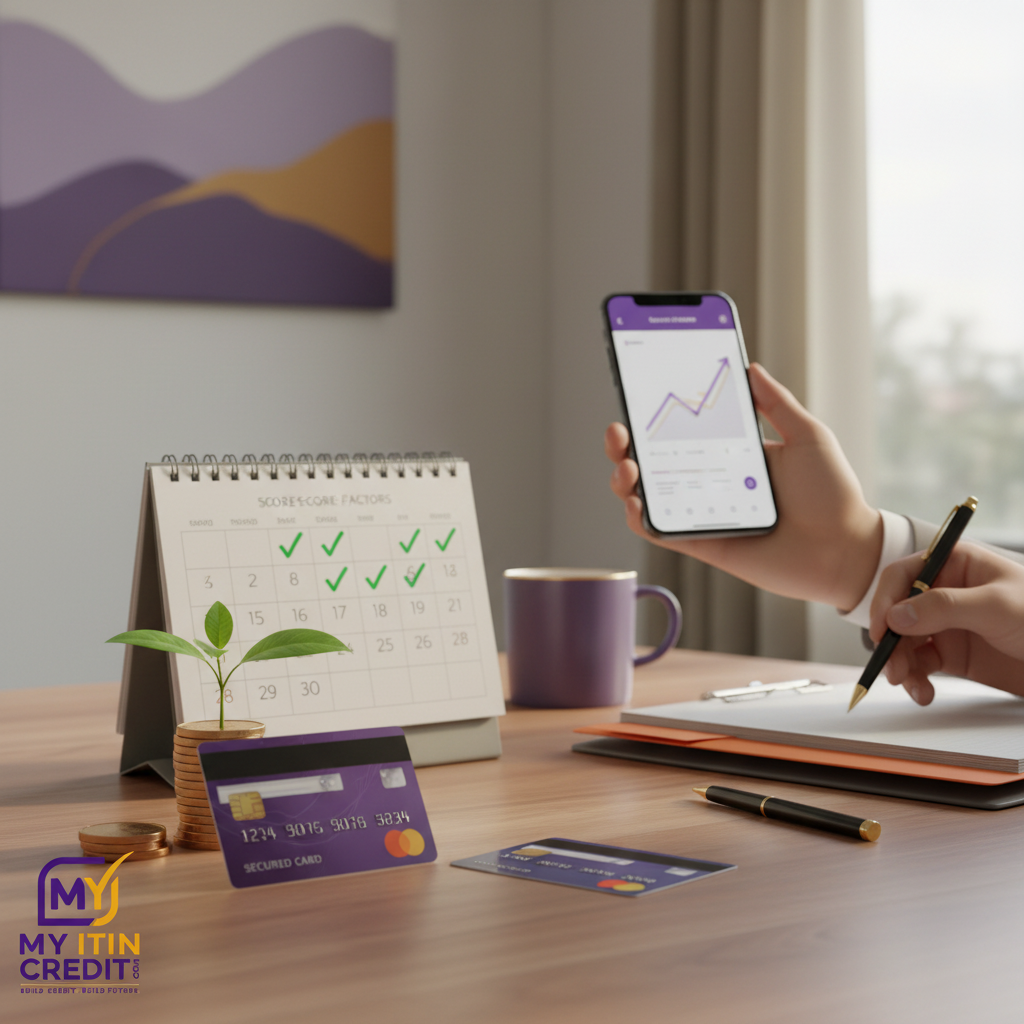
Understanding Different ITIN Credit Card Types
Explore the various kinds of credit cards available for ITIN holders, from secured options to co-signed cards, and how each builds your credit.

Building Credit: Your First ITIN Credit Card Without an SSN
Starting your credit journey with an ITIN and no SSN is possible. Learn which credit cards you can apply for and what documents you'll need.

Secured Credit Cards: Your First Step for ITIN Credit
Secured credit cards are often the best way for ITIN holders to start building a credit history in the U.S. Learn how to get one.

Banks Issuing Credit Cards to ITIN Holders in 2026
Curious which financial institutions offer credit cards to ITIN holders? We break down which banks to consider and what they look for in applicants.
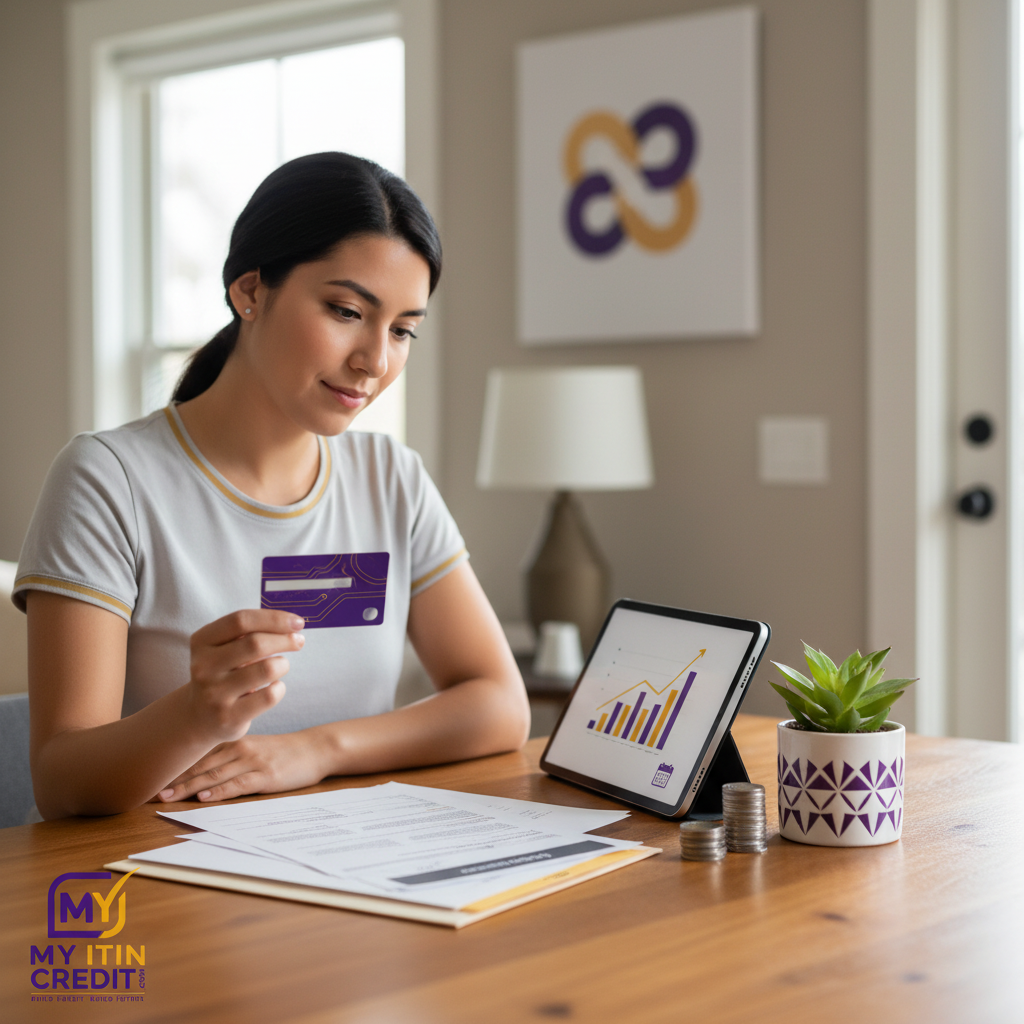
Building Credit with ITIN Store Cards: Your Retail Options
Explore how store credit cards can help ITIN holders establish a credit history in the U.S. Learn common requirements and if they're the right fit for you.