Building Credit with ITIN Store Cards: Your Retail Options
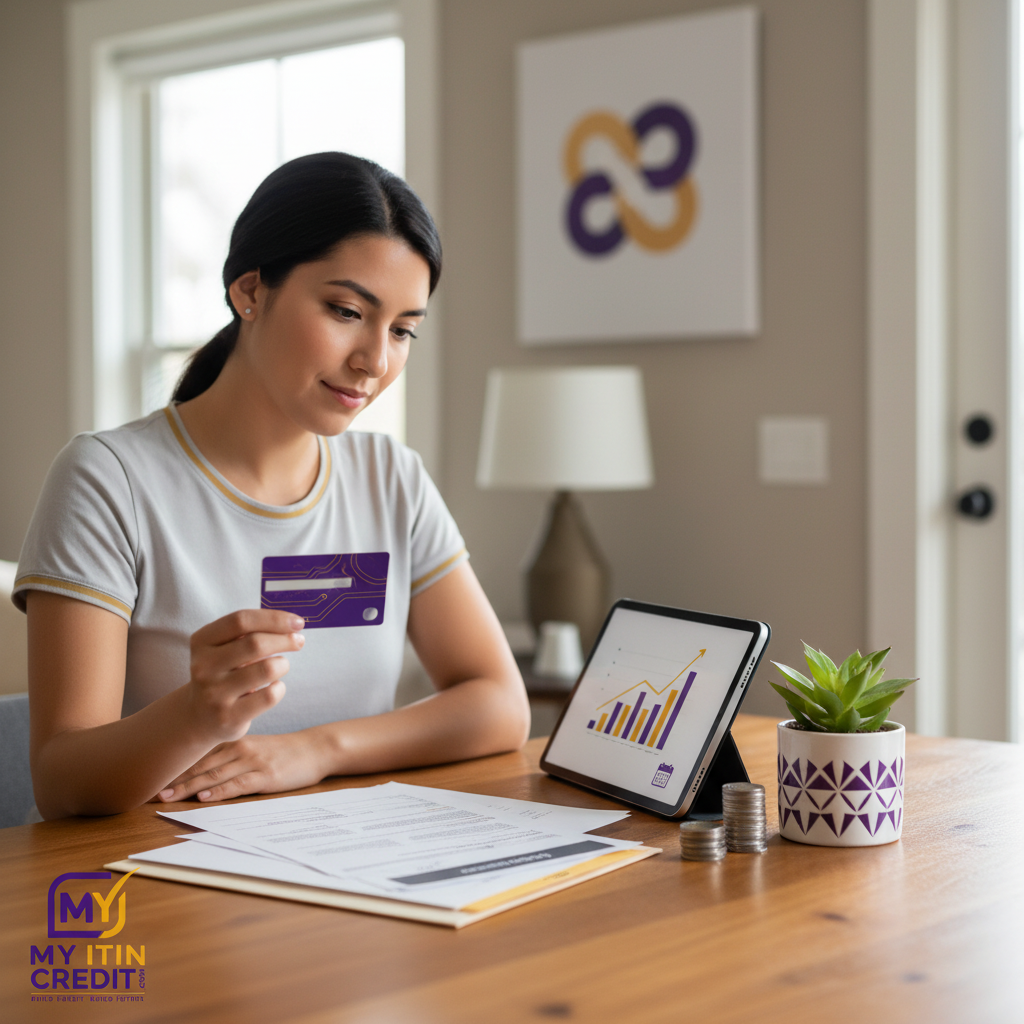
Building Credit with ITIN Store Cards: Your Retail Options
Last updated: September 26, 2026.
What are Store Cards?
Store cards are a type of card offered by a specific retailer or group of associated brands. Unlike general-purpose cards, which you can use anywhere that accepts the card network (like Visa, Mastercard, American Express, or Discover), store cards are generally limited to purchases within that particular store or its affiliated locations.
These cards often come with incentives like discounts, rewards, or special financing offers exclusive to that retailer. For someone new to financial products or without an SSN, store cards can sometimes be an entry point into the financial system because their approval criteria might be less stringent than for broader financial products. However, their use is restricted, which is an important difference to consider.
How Store Cards Can Help ITIN Holders Build a Financial Record
For ITIN holders, a store card can be a practical tool to start building a financial history. When a retailer approves you for a store card and accepts your ITIN, they will typically report your payment activity to the major bureaus. This reporting is how your financial history gets established.
By consistently using your store card responsibly – meaning making purchases you can afford and paying your balance in full and on time – you demonstrate positive financial behavior. This positive history can contribute to the creation of a FICO score or VantageScore. Lenders and creditors use these scores to assess your creditworthiness for future loans and financial products. Remember, building a financial record takes time, and consistent on-time payments are key to this process.
Benefits of store cards for ITIN holders:
- Easier approval: Some store cards may have more flexible application requirements compared to traditional, general-purpose cards, making them potentially more accessible for those with no prior U.S. financial history.
- Reporting: When managed well, store cards report your payment activity to bureaus, which helps establish your financial file. This is crucial for developing a history that lenders can evaluate.
- Limited spending: Because they are tied to a specific store, store cards naturally limit where you can spend, which can help new card users manage their finances responsibly without overspending.
- Retailer perks: Many store cards offer discounts, special financing, or rewards programs that can be beneficial if you frequently shop at that particular retailer.
Potential drawbacks:
- Limited use: The biggest drawback is that you can only use the card at the specific store or brand. This makes them less flexible than a general-purpose card.
- High interest rates: Store cards often come with higher Annual Percentage Rates (APRs) than other types of cards. If you carry a balance, the interest charges can add up quickly.
- Lower spending limits: Initially, store cards often have lower spending limits. While this can help prevent overspending, it can also lead to a higher utilization ratio if you use a significant portion of your available spending limit. A high utilization ratio can negatively impact your score.
Finding Store Cards That Accept an ITIN
Identifying which specific retailers accept an ITIN for card applications requires direct inquiry. Unlike general-purpose card issuers, retailers' policies on ITIN acceptance can vary and are often not publicly advertised. It is not possible to provide a definitive list here because these policies can change and are often determined by the specific issuing bank partnered with the retailer, rather than the retailer directly.
When considering a store card, the best approach is to visit the store's customer service desk or their card application page online and look for information regarding identification requirements. You might need to directly ask if an ITIN can be used in place of an SSN for their card application. Be prepared to provide other forms of identification, such as a passport or driver's license, alongside your ITIN.
Remember that an ITIN is solely for tax processing and identification purposes and does not authorize employment or provide any immigration status. It is separate from an SSN. For more details on what an ITIN is and how it differs from an SSN, you can refer to IRS guidelines.
How to Apply for a Store Card with an ITIN
Applying for a store card with an ITIN is similar to applying with an SSN, but with the key difference of using your ITIN for identification. Here's a general process you might follow:
- Research Retailers: Start by identifying stores where you frequently shop and might benefit from their card's perks. Then, discreetly inquire about their ITIN acceptance policy for cards.
- Gather Documents: Prepare your ITIN documentation, along with government-issued photo identification like a passport or state ID. Some retailers or their issuing banks may also ask for proof of address or income.
- Complete Application: You can usually apply in-store or online. Fill out the application completely and accurately. Where it asks for a Social Security Number, look for an option to provide an ITIN, or follow instructions given by the store associate.
- Understand Terms: Before submitting, carefully read the cardholder agreement. Pay close attention to the Annual Percentage Rate (APR), any annual fees, late payment fees, and the spending limit.
- Submit and Wait: After submitting your application, you may receive an instant decision, or it might take a few business days.
Managing Your Store Card to Build a Financial Record
Once approved for a store card, responsible management is crucial for building a positive financial history. Here’s how you can use your card effectively:
- Make small purchases: Use the card for everyday items or small purchases you already planned to make at that store.
- Pay in full, on time: The most important step is to pay your entire statement balance every month before the due date. This avoids interest charges and builds a strong payment history, which is a major factor in your financial score.
- Keep utilization low: It is generally beneficial to keep your utilization ratio low. This means considering using a smaller portion of your available spending.
- Monitor your information: Regularly check your report to ensure that your store card activity is being reported accurately. You can get free reports annually from AnnualCreditReport.com. Understanding your report and how to spot errors is an important part of managing your financial health. You can learn more about this on our page about your ITIN credit report.
By following these practices, your store card can become a stepping stone toward establishing a solid financial foundation, which can eventually help you qualify for more traditional financial products like general-purpose cards or loans. You can find more comprehensive guidance on our main page about how to build credit with an ITIN.
Expert Insight
When using any financial product, including store cards, understanding how your actions impact your score is essential. Lenders evaluate several factors, with payment history and utilization being two of the most significant. A store card can establish a positive payment history, provided you always pay on time. However, be mindful of the spending limit. Even a small balance on a low-limit store card can lead to a high utilization ratio if you're not careful. Keeping your utilization low is generally considered helpful for supporting a healthy score.
Transitioning from Store Cards to General-Purpose Cards
Building a positive payment history with a store card is often the first step for ITIN holders toward accessing broader financial products. Once you've successfully managed a store card for several months, typically 6-12 months, and maintained a clean payment record, you might start to see a score appear.
At this point, you could consider applying for a general-purpose card. Many ITIN holders start with secured cards, which require a deposit but offer a much higher approval rate and are accepted virtually everywhere. These cards continue to build your financial history with the major bureaus. The goal is to show a consistent pattern of responsible financial use, which eventually opens doors to unsecured cards with better terms, auto loans, and even ITIN mortgages.
Remember, financial building is a marathon, not a sprint. Each responsible step, from your first store card to your first unsecured card, contributes to your overall financial health.
FAQ
What is an ITIN?
An Individual Taxpayer Identification Number (ITIN) is a tax processing number issued by the U.S. Internal Revenue Service (IRS). It is for individuals who are required to have a U.S. taxpayer identification number but who do not have, and are not eligible to obtain, a Social Security Number (SSN). An ITIN does not authorize work in the U.S., provide eligibility for Social Security benefits, or change immigration status.
Can all store cards be obtained with an ITIN?
No, not all store cards accept an ITIN. Acceptance depends on the specific retailer and the financial institution that issues their cards. You will need to inquire directly with each retailer to understand their specific application requirements.
Do store cards report to all bureaus?
Most major store cards report payment activity to at least one, and often all three, major bureaus (Experian, Equifax, and TransUnion). This reporting is essential for establishing and building your financial history.
What are the interest rates like on store cards?
Store cards often have higher interest rates (APRs) compared to general-purpose cards. It is very important to try and pay your balance in full every month to avoid these high interest charges.
Will a store card help me get a car loan or mortgage?
A store card, when managed responsibly, can help you build the payment history necessary to eventually qualify for larger loans like car loans or mortgages. It serves as an initial step to demonstrate your ability to handle finances, but a single store card alone is typically not enough to secure a large loan.
What if I'm denied a store card?
If you are denied a store card, the lender is required to send you an adverse action notice explaining the reasons for the denial. This notice can give you clues about what areas to improve, such as a lack of financial history. Consider exploring secured cards or other financial-building options.
Take the Next Step in Your Financial Journey
Store cards can be a valuable starting point for ITIN holders to establish a financial history in the U.S. By choosing the right card, using it responsibly, and making timely payments, you can build a foundation that opens doors to more financial opportunities. Understanding how to manage these cards and monitor your financial standing effectively is crucial for long-term success.
Ready to take control of your financial record and explore tools designed for ITIN holders? Our service provides education and resources to help you understand your financial standing, monitor your report, and build a strong financial future. Learn more about how we can support you on our pricing page.
Sources
Provider disclosure: our partner our partner our partner our partner MyITINCredit is an educational site and does not provide credit reports, credit scores, monitoring, or billing. Credit monitoring and report access referenced here are provided by MyFreeScoreNow, our affiliate partner, and we may earn a commission if you enroll through our links.
Related guides in this series
- ITIN Credit Cards: Navigate Your Options for 2026
- Understanding Different ITIN Credit Card Types
- Building Credit: Your First ITIN Credit Card Without an SSN
- Secured Credit Cards: Your First Step for ITIN Credit
- Banks Issuing Credit Cards to ITIN Holders in 2026
- Increase Your ITIN Credit Card Approval Odds
Quick credit tools
Try them now. Nothing you type is saved.
Using a smaller share of your available credit generally helps your score. This is an educational estimate.
Why does credit monitoring matter?
Short answer: it lets you see what lenders see, fix errors, and spot fraud early — especially useful when you're building credit with an ITIN.
The 3 bureaus can show different data
Equifax, Experian and TransUnion don't always receive the same information, so your score can differ between them.
Errors happen — and you can dispute them
If you spot a wrong account, name or address, you have the right to dispute it with the bureau.
Catch suspicious activity sooner
Alerts about new accounts or inquiries help you react quickly to possible fraud.
See whether your effort is working
Tracking your score month to month shows if on-time payments and low balances are paying off.
Source: FTC — Disputing errors on your credit reports. MyITINCredit is educational; reports, scores and monitoring are provided by MyFreeScoreNow.
Related articles
Continue with more helpful guides on this topic.

ITIN Credit Cards: Navigate Your Options for 2026
Unsure where to start with ITIN credit cards? This 2026 guide breaks down types, approval strategies, and how to build strong credit without an SSN.
Understanding Different ITIN Credit Card Types
Explore the various kinds of credit cards available for ITIN holders, from secured options to co-signed cards, and how each builds your credit.

Building Credit: Your First ITIN Credit Card Without an SSN
Starting your credit journey with an ITIN and no SSN is possible. Learn which credit cards you can apply for and what documents you'll need.
Secured Credit Cards: Your First Step for ITIN Credit
Secured credit cards are often the best way for ITIN holders to start building a credit history in the U.S. Learn how to get one.

Banks Issuing Credit Cards to ITIN Holders in 2026
Curious which financial institutions offer credit cards to ITIN holders? We break down which banks to consider and what they look for in applicants.
Increase Your ITIN Credit Card Approval Odds
Understand the real factors lenders consider for ITIN credit card applications, from credit history to income, and how to improve your chances.