Understanding Different ITIN Credit Card Types
Understanding Different ITIN Credit Card Types
What is a Credit Card and Why Does it Matter for ITIN Holders?
A credit card allows you to borrow money up to a certain limit to make purchases, with the expectation that you will repay the borrowed amount, often with interest, by a due date. This process of borrowing and repaying is what helps build your credit history. Lenders and service providers use this history to assess your financial reliability when you apply for loans, apartments, or even some jobs.
For ITIN holders, establishing credit is crucial for accessing financial products like auto loans, personal loans, and eventually, ITIN mortgages. Without a credit history, it can be challenging to qualify for these important financial tools or to get favorable terms. Building credit responsibly can open doors to better financial opportunities and lower costs for borrowing.
To understand more about how your credit history works, you can read our guide on how to build credit with an ITIN.
Secured Credit Cards: A Common Starting Point
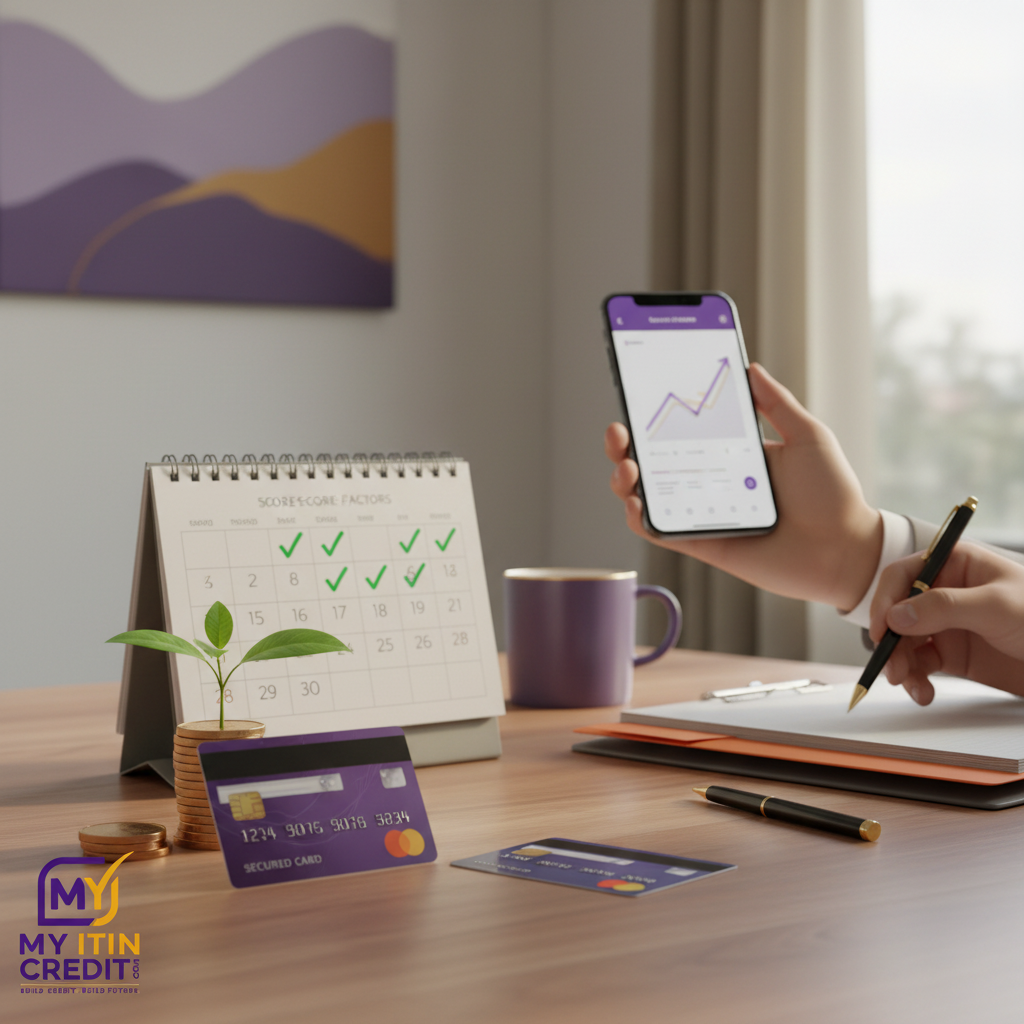
Secured credit cards are often the most accessible type of credit card for individuals with no credit history or a limited one, including many ITIN holders. They work differently from traditional credit cards.
With a secured credit card, you provide a security deposit to the issuer, which typically equals your credit limit. For example, if you deposit a certain amount, that same amount becomes your spending limit. This deposit protects the bank in case you don't pay your bill. Because of this security, these cards are less risky for lenders, making them easier to approve.
When you use the card and make payments on time, the activity is reported to the major credit bureaus. This reporting is what helps you establish a positive credit history. After a period of responsible use, often 6 to 18 months, some issuers may offer to upgrade you to an unsecured card and return your deposit.
How Secured Cards Work for ITIN Holders
Many banks and credit unions offer secured credit cards that accept an ITIN instead of an SSN during the application process. You will still need to meet other eligibility criteria, such as proving your identity and having a U.S. mailing address. When you apply, the lender will check your financial information. However, once you have established a credit profile, future applications for credit might involve a hard inquiry, which can temporarily impact your credit score.
Secured cards are a practical way to show lenders you can manage credit responsibly. They are designed for credit building, not for carrying large balances.
Unsecured Credit Cards: The Next Step
Unsecured credit cards are what most people think of as traditional credit cards. Unlike secured cards, they do not require a security deposit. The credit limit is based solely on your creditworthiness, which lenders assess by reviewing your credit history, income, and other financial factors.
Getting approved for an unsecured credit card with an ITIN usually requires an established credit history. This means you will need to have demonstrated responsible borrowing and repayment behavior over time, perhaps by first using a secured card or by being an authorized user on someone else's account. Lenders will typically check your credit report and credit score to evaluate your application.
Applying for Unsecured Cards with an ITIN
When you apply for an unsecured credit card as an ITIN holder, lenders look for the same indicators of financial responsibility as they would for an SSN holder. This includes a history of on-time payments, a low credit utilization ratio (how much credit you use compared to your available credit), and a diverse mix of credit accounts if applicable. Some financial institutions are more familiar with processing ITIN applications than others.
Store Credit Cards: Retailer-Specific Options
Store credit cards, also known as retail credit cards or branded credit cards, are issued by specific retailers or their banking partners. These cards can often be easier to obtain than general-purpose unsecured credit cards, even for those with a limited credit history.
Store cards can typically only be used for purchases at that specific store or family of brands. They often come with perks like discounts or special financing offers for purchases made with the retailer. However, their lower approval requirements can sometimes come with higher interest rates.
Building Credit with Store Cards
Like other credit cards, store cards report your payment activity to credit bureaus. Making consistent, on-time payments can help build your credit history, which contributes to your overall credit score. If you are struggling to get approved for a secured or unsecured card, a store credit card could be an initial step to begin establishing your credit.
It's important to remember that while store cards can help build credit, they don't offer the spending flexibility of a general-purpose card. They are best used strategically as one part of a broader credit-building plan.
Prepaid Cards: Not Credit Cards
It's important to clarify that prepaid cards are not credit cards and do not help build your credit history. A prepaid card works by loading funds onto it in advance. You can only spend the money you have loaded onto the card. It functions more like a debit card than a credit card.
Since you are using your own money and not borrowing from a lender, there is no credit extended and no repayment activity to report to the credit bureaus. Therefore, using a prepaid card, no matter how responsibly, will not contribute to building your credit score or history.
Comparing ITIN Credit Card Types
| Feature | Secured Credit Card | Unsecured Credit Card | Store Credit Card | Prepaid Card (Not a Credit Card) |
|---|---|---|---|---|
| Credit building | Yes, excellent for beginners | Yes, for established credit | Yes, can be a starter option | No, does not build credit |
| Security deposit | Required (typically refundable) | Not required | Not required | Funds are loaded onto the card |
| Credit history needed | None to limited | Established, positive credit history | Limited to some | None |
| Credit limit | Usually equals deposit amount | Based on creditworthiness and income | Typically lower, specific to retailer | Funds you load |
| Accepts ITIN | Many issuers do | Some issuers do, with established credit | Many issuers do | Yes, used for ID verification |
| Usage | General purchases anywhere cards are accepted | General purchases anywhere cards are accepted | Specific retailer or brand only | General purchases anywhere cards are accepted |
| Typical interest rate | Varies, can be moderate to high | Varies, based on creditworthiness | Often higher than general cards | None, as no credit is extended |
Expert Insight: Focusing on Positive Payment History
Regardless of the type of credit card you choose, the most important factor in building a strong credit history is consistent, on-time payments. Lenders primarily look at your payment history when assessing your creditworthiness. Even with an ITIN, demonstrating reliable payment behavior over time is key.
Another critical factor is your credit utilization, which is how much of your available credit you are using. Over time, these habits will help you qualify for better financial products.
You can learn more about how payments and other factors influence your credit score in our guide on how to improve your credit score.
Steps to Take When Considering ITIN Credit Cards
- Assess your credit history: If you're new to the U.S. or have no credit history, a secured card is likely your best starting point. If you have some established credit, you might qualify for an unsecured card.
- Research ITIN-friendly lenders: Not all financial institutions are equally experienced with ITIN applications. Focus on those known to accept ITINs.
- Gather required documents: You'll typically need your ITIN, a valid government-issued ID (like a passport), proof of address, and sometimes proof of income.
- Start with secured cards if needed: Don't bypass a secured card if it's the most appropriate choice for your current credit situation. It's a proven path to establishing credit.
- Understand the terms: Always read the fine print regarding annual fees, interest rates, and any specific ITIN application requirements.
FAQ
Can I get any credit card with an ITIN?
While many major credit card issuers might primarily target SSN holders, specific secured and some unsecured credit cards are available for ITIN holders. Your ability to get approved depends on your credit history, income, and the lender's policies.
Is it harder to get a credit card with an ITIN than an SSN?
It can be, primarily because many ITIN holders are new to the U.S. and often lack an established U.S. credit history. However, it is certainly possible to build credit and get approved for various credit cards with an ITIN.
How long does it take to build credit with a secured card?
Building a noticeable credit history typically takes at least 6-12 months of responsible use, including on-time payments and low credit utilization.
What is the difference between an ITIN and an SSN for credit cards?
An ITIN is for tax purposes, while an SSN is for employment and identifies U.S. citizens and permanent residents. For credit cards, both can be used for identification, but lenders primarily use the associated number to pull your credit report and verify your identity.
Can I apply for a credit card without any credit history?
Yes, but you will likely need to start with a secured credit card. These cards are designed for individuals with no credit history and require a security deposit.
Conclusion
Building credit with an ITIN is a clear and achievable goal, and understanding the different types of credit cards available is your first step. Whether you begin with a secured card, progress to an unsecured card, or use a store card strategically, consistent and responsible use is key. Each of these options serves a purpose in establishing your financial footprint in the U.S.
If you're ready to start your credit-building journey, or want tools to help monitor your progress, consider exploring our services. We can help guide you through the process and provide support for managing your credit as an ITIN holder. Visit our pricing page to learn more about how we can assist you.
Sources
Provider disclosure: our partner our partner our partner our partner our partner our partner MyITINCredit is an educational site and does not provide credit reports, credit scores, monitoring, or billing. Credit monitoring and report access referenced here are provided by MyFreeScoreNow, our affiliate partner, and we may earn a commission if you enroll through our links.
Related guides in this series
- ITIN Credit Cards: Navigate Your Options for 2026
- Building Credit: Your First ITIN Credit Card Without an SSN
- Secured Credit Cards: Your First Step for ITIN Credit
- Banks Issuing Credit Cards to ITIN Holders in 2026
- Increase Your ITIN Credit Card Approval Odds
- Building Credit with ITIN Store Cards: Your Retail Options
Quick credit tools
Try them now. Nothing you type is saved.
Using a smaller share of your available credit generally helps your score. This is an educational estimate.
Why does credit monitoring matter?
Short answer: it lets you see what lenders see, fix errors, and spot fraud early — especially useful when you're building credit with an ITIN.
The 3 bureaus can show different data
Equifax, Experian and TransUnion don't always receive the same information, so your score can differ between them.
Errors happen — and you can dispute them
If you spot a wrong account, name or address, you have the right to dispute it with the bureau.
Catch suspicious activity sooner
Alerts about new accounts or inquiries help you react quickly to possible fraud.
See whether your effort is working
Tracking your score month to month shows if on-time payments and low balances are paying off.
Source: FTC — Disputing errors on your credit reports. MyITINCredit is educational; reports, scores and monitoring are provided by MyFreeScoreNow.
Related articles
Continue with more helpful guides on this topic.

ITIN Credit Cards: Navigate Your Options for 2026
Unsure where to start with ITIN credit cards? This 2026 guide breaks down types, approval strategies, and how to build strong credit without an SSN.

Building Credit: Your First ITIN Credit Card Without an SSN
Starting your credit journey with an ITIN and no SSN is possible. Learn which credit cards you can apply for and what documents you'll need.
Secured Credit Cards: Your First Step for ITIN Credit
Secured credit cards are often the best way for ITIN holders to start building a credit history in the U.S. Learn how to get one.

Banks Issuing Credit Cards to ITIN Holders in 2026
Curious which financial institutions offer credit cards to ITIN holders? We break down which banks to consider and what they look for in applicants.
Increase Your ITIN Credit Card Approval Odds
Understand the real factors lenders consider for ITIN credit card applications, from credit history to income, and how to improve your chances.
Building Credit with ITIN Store Cards: Your Retail Options
Explore how store credit cards can help ITIN holders establish a credit history in the U.S. Learn common requirements and if they're the right fit for you.