Your ITIN Credit Report: Fixing Errors and Inaccuracies
Your ITIN Credit Report: Fixing Errors and Inaccuracies
Last updated: October 10, 2026.
Why Fixing Credit Report Errors Matters for ITIN Holders
Errors on your credit report can negatively affect your credit score and your ability to get financial products like loans or even rent a home. An inaccurate credit report might cause lenders to view you as a higher risk, potentially leading to denied applications or less favorable terms. For ITIN holders, who may already face unique challenges in the U.S. financial system, an inaccurate report can create additional barriers. Correcting these errors ensures your financial profile accurately reflects your history and helps you build a strong financial foundation.
Having an accurate credit report is essential for achieving financial goals like qualifying for an ITIN mortgage credit score or securing an auto loan. Without accurate information, lenders cannot properly assess your creditworthiness. This is why understanding and maintaining your ITIN credit report is a foundational step in your credit journey.
You can learn more about what to look for in your report by reading What's in Your ITIN Credit Report? Key Sections to Review.
Types of Errors to Look For on Your Credit Report
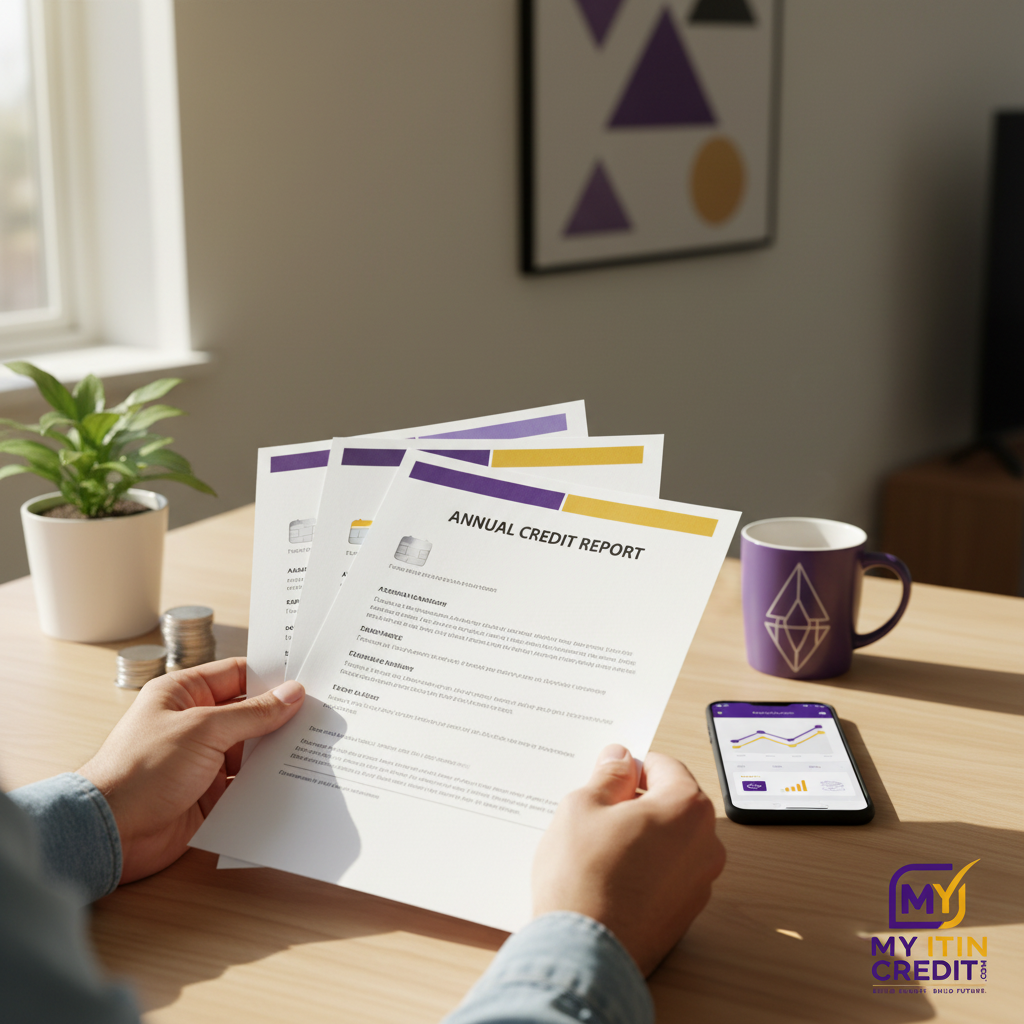
It's important to regularly review your credit report for inaccuracies. You are entitled to a free credit report from each of the three major credit reporting companies—Experian, Equifax, and TransUnion—once every 12 months. This allows you to check for errors and ensures your financial information is current. Common credit report errors can include incorrect names or addresses on an account, or wrong dates for payments you made.
Potential Credit Report Errors:
- Incorrect personal information: Wrong name, address, or phone number. You might find an old address you haven't lived at in years or a misspelled name. These details, while seemingly minor, can sometimes lead to confusion or suggest inaccuracies in your file.
- Inaccurate account details: An account you don't recognize, an incorrect account balance, or a wrong account status (e.g., listed as open when closed, or showing a higher balance than what you owe). For instance, a closed account might still show as open and carrying a balance, which could negatively impact your credit utilization.
- Payment history mistakes: Payments listed as late when you paid on time, or payments you made that aren't recorded. A single late payment, especially if reported incorrectly, can lower your credit score by several points and remain on your report for up to seven years.
- Duplicate accounts: The same account appearing multiple times on your report. This can inflate your reported debt or make it seem like you have more credit accounts than you actually do, potentially affecting your debt-to-income ratio.
- Identity theft indicators: If you find accounts on your credit report that you did not open, or inquiries for credit you didn't apply for, this might signal identity theft. If you suspect this, you should learn how to report it immediately to the credit reporting companies and law enforcement. This is a serious issue that needs prompt attention to protect your financial identity.
- Inaccurate public records: While less common now, credit reports previously included public record information like bankruptcies or judgments. If these are incorrect or outdated, they should be disputed.
Regularly checking your credit report is a good practice. You can access your free annual credit report from AnnualCreditReport.com.
How to Dispute an Error on Your Credit Report
Fixing an error on your credit report generally involves contacting two parties: the credit reporting company and the company that provided the incorrect information. The federal government, through the Consumer Financial Protection Bureau (CFPB) and the Federal Trade Commission (FTC), provides clear guidance on this process (consumer.ftc.gov, consumerfinance.gov).
Step-by-Step Guide to Disputing Errors:
Obtain your credit reports: Start by getting your credit reports from all three major credit reporting companies: Experian, Equifax, and TransUnion. You can do this for free once every 12 months through AnnualCreditReport.com. Review each report carefully, as errors might appear on one report but not another.
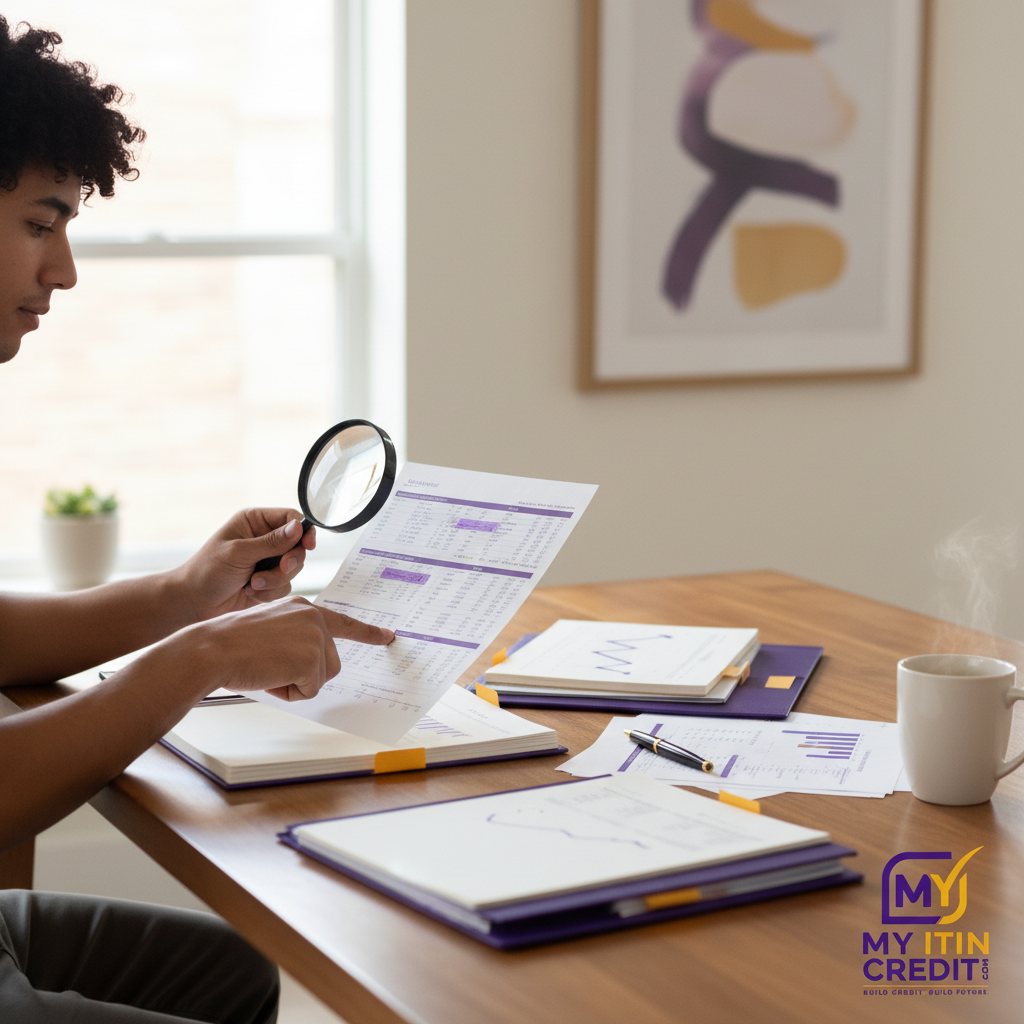
Identify the error: Circle or highlight all inaccuracies you find on each report. Be specific about what is wrong (e.g., "Account #123456 shows a late payment on 01/15/2023, but I paid on time").
Gather supporting documentation: Collect any documents that prove your claim. This could include bank statements, canceled checks, payment receipts, court documents, or letters from creditors. For example, if a payment is marked late, provide a bank statement showing the payment clearing before the due date.
Contact the credit reporting company: You can typically dispute errors online, by mail, or by phone.
- Online: Each credit reporting company has an online dispute process. This is often the fastest method.
- By Mail: Send a letter to the credit reporting company.
- Clearly explain what you believe is wrong and why.
- Include copies (not originals) of your supporting documents.
- Keep copies of everything you send, including proof of mailing (e.g., certified mail with return receipt requested).
- By Phone: While possible, written disputes provide a clear record. If you call, note the date, time, and name of the person you spoke with.
The credit reporting company has a certain period (usually 30 days, or 45 days if you provided additional information during a free report request) to investigate your dispute. They must forward all relevant data you provide about the inaccuracy to the information provider.
Contact the information provider: You should also directly contact the company that provided the incorrect information to the credit reporting company (e.g., your bank, credit card issuer, or lender).
- Explain the error in writing, providing the same supporting documents.
- Ask them to correct the information they reported to all three credit reporting companies.
- The information provider also has a responsibility to investigate and correct inaccuracies. If they find an error, they must notify all credit reporting companies to which they reported the incorrect information.
Follow up: Keep records of all communications, including dates, names of people you spoke with, and copies of letters sent and received. Check your credit reports again after the dispute period to ensure the errors have been corrected. If the credit reporting company or information provider doesn't resolve the issue to your satisfaction, you can file a complaint with the Consumer Financial Protection Bureau (CFPB).
Remember, you have the right to dispute errors. The process might take some time, typically 30-45 days for investigation, but it's an important step for maintaining a healthy financial profile. If you're building credit with an ITIN, ensuring your report is accurate is crucial for your progress. You can learn more about the broader process of building credit at Build Credit with an ITIN.
Expert Insight: How Disputes Impact Your Credit
When you dispute an item on your credit report, the credit reporting company places a temporary notation on that specific item, indicating it's under investigation. During this time, the disputed item might not be factored into your credit score, or its impact might be minimized. However, once the investigation is complete, if the item is verified as accurate, it will revert to its original status and score impact. If the item is removed or corrected, your score could improve.
Being thorough with your documentation is key to a successful dispute. Providing clear, written explanations and supporting documents can significantly help your case. Keep records of all your communications, including dates, names of people you spoke with, and copies of letters sent and received. This organized approach can streamline the dispute process and improve your chances of a successful resolution.
If you're looking for ongoing support in understanding your credit, MyITINCredit offers education and tools to help you navigate the U.S. financial system. While we don't provide credit reports or dispute services directly, our educational resources can guide you. Our affiliate partner, MyFreeScoreNow, offers credit monitoring, reports, and scores to help you stay informed about your credit activity. You can learn more about how our services can assist you at our Pricing page.
FAQ
Can an ITIN holder dispute errors on their credit report?
Yes, ITIN holders have the same right to dispute errors on their credit reports as any other consumer in the U.S. The Fair Credit Reporting Act (FCRA), which governs credit reporting, applies to all consumers whose information is collected by credit reporting companies, regardless of their immigration status or the type of taxpayer identification number they use.
What kind of documentation do I need to dispute an error?
You should include copies of documents that support your dispute, such as payment confirmations, bank statements, canceled checks, account statements, court documents, or any other relevant records that prove the information on your credit report is incorrect. Always send copies, never originals.
How long does it take for a credit report error to be fixed?
The credit reporting companies generally have 30 days to investigate your dispute after receiving it, and sometimes up to 45 days if you submitted the dispute after receiving a free annual credit report and provided additional information. They must notify you of the results in writing. If an error is found, the information provider must notify all credit reporting companies to which they originally reported the incorrect information.
What if I find an account I didn't open?
If you find accounts on your credit report that you did not open, you may have experienced identity theft. You should immediately:
- Place a fraud alert on your credit reports with all three credit reporting companies.
- Contact the companies where the fraudulent accounts were opened.
- File a report with the Federal Trade Commission (FTC) at IdentityTheft.gov.
- File a police report with your local law enforcement agency.
Should I contact the credit reporting company or the lender first?
It's generally recommended to contact both the credit reporting company (Experian, Equifax, or TransUnion) and the company that provided the information (the lender or creditor). Contacting the credit reporting company formally initiates a dispute under the Fair Credit Reporting Act, while contacting the information provider can sometimes lead to a quicker resolution as they are the source of the data.
Will disputing an error affect my credit score?
During the investigation period, the disputed item might not be factored into your credit score, or its impact might be minimal. If the error is removed or corrected, your credit score could potentially improve, especially if the error was a negative mark like a late payment or an incorrect collection account. If the item is verified as accurate, it will return to its original status and score impact.
Conclusion
Understanding how to dispute errors on your ITIN credit report is a crucial skill for financial health. By being proactive and following the steps outlined, you can ensure your credit history accurately reflects your financial behavior. Taking control of your credit report is a fundamental step toward building a strong financial future in the U.S. An accurate report is a cornerstone for establishing good ITIN credit score, which can open doors to credit cards, auto loans, and even an ITIN mortgage. For more guidance on credit education and to learn how we can support you, visit our Contact page.
Sources
- FTC — Disputing errors on your credit reports
- CFPB — Credit reports and scores
- AnnualCreditReport.com
Related guides in this series
Quick credit tools
Try them now. Nothing you type is saved.
Using a smaller share of your available credit generally helps your score. This is an educational estimate.
Why does credit monitoring matter?
Short answer: it lets you see what lenders see, fix errors, and spot fraud early — especially useful when you're building credit with an ITIN.
The 3 bureaus can show different data
Equifax, Experian and TransUnion don't always receive the same information, so your score can differ between them.
Errors happen — and you can dispute them
If you spot a wrong account, name or address, you have the right to dispute it with the bureau.
Catch suspicious activity sooner
Alerts about new accounts or inquiries help you react quickly to possible fraud.
See whether your effort is working
Tracking your score month to month shows if on-time payments and low balances are paying off.
Source: FTC — Disputing errors on your credit reports. MyITINCredit is educational; reports, scores and monitoring are provided by MyFreeScoreNow.
Related articles
Continue with more helpful guides on this topic.

How to Get Your ITIN Credit Report
Understand how to legally obtain your ITIN credit report from major bureaus, what to expect, and why it matters for your financial future.
Accessing Your ITIN Credit Report: No 'Free Trial' Needed
Unsure if you can get a 'free trial' credit report with an ITIN? Learn how to access your reports for free, directly from the official sources.
Your Legal Right to a Free ITIN Credit Report Annually
Understand your legal right to access a free ITIN credit report from each major bureau every year, without needing to pay.

Understanding Your ITIN Credit Report
Your ITIN credit report holds vital financial information. Learn what each section means for your credit health and financial future.

Choosing ITIN Credit Monitoring
Keep your ITIN credit safe. Learn what features to look for in monitoring services to track changes and guard against fraud.

Your ITIN Credit Report: The Key to Unlocking Loans
Your ITIN credit report is your financial resume, crucial for qualifying for credit cards, auto loans, and even an ITIN mortgage.