Secured Credit Cards: Your Clear Path to Building ITIN
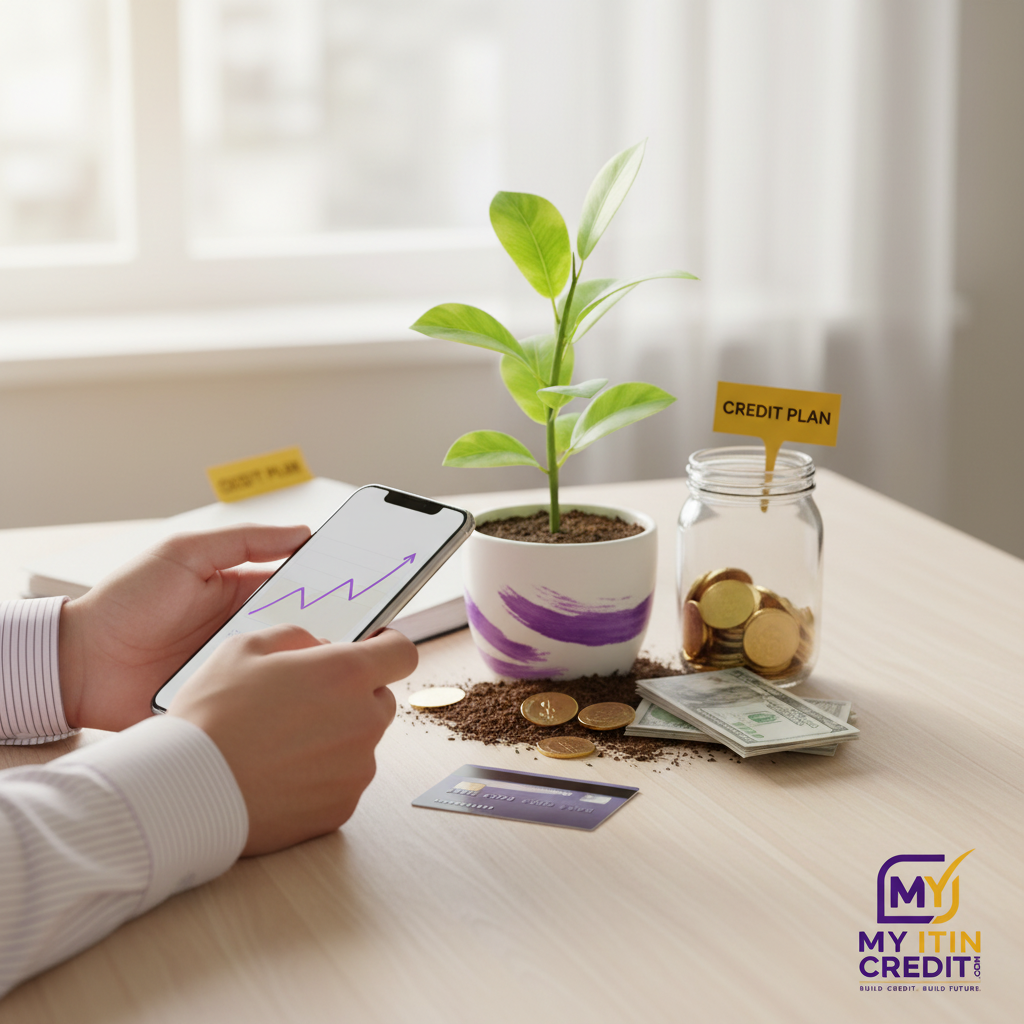
Secured Credit Cards: Your Clear Path to Building ITIN Credit
Last updated: October 3, 2026.
What is a Secured Card?
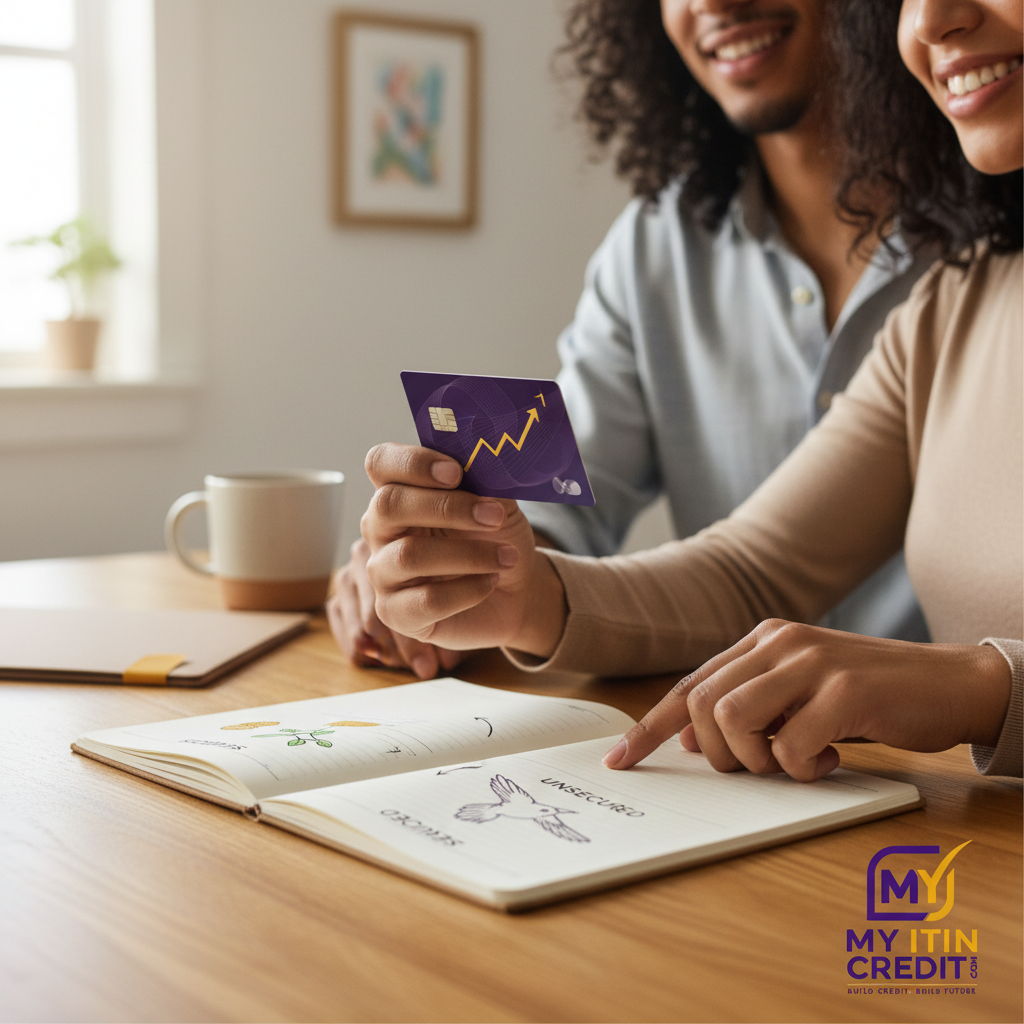
A secured card is a type of card backed by a cash deposit you make to the issuing bank. This deposit typically serves as your spending limit. This security deposit protects the lender if you fail to pay your bill. Because of this security, secured cards are often available to individuals with limited or no payment history, making them a common entry point into the financial system.
Unlike a debit card, a secured card helps you build payment history. When you use the card and make payments, the card issuer reports your activity to the major consumer reporting agencies. This reporting is crucial for developing your financial profile.
How Secured Cards Work for ITIN Holders
For ITIN holders without an SSN or established payment history, secured cards are particularly valuable. Many card issuers that offer secured cards are more open to accepting ITINs because the risk is minimized by the security deposit.
Here’s a step-by-step look at how they generally function:
- Application: You apply for the card, often providing your ITIN, proof of identity, and sometimes proof of income.
- Security Deposit: If approved, you make a cash deposit, which determines your spending limit. For example, a $200 deposit might give you a $200 limit.
- Usage: You use the card for purchases like any other card.
- Payments: You make regular monthly payments on time. It's important to pay your full balance to avoid interest charges and help keep your utilization low. The impact of credit utilization on your score can vary.
- Reporting: The card issuer reports your payment history and account activity to the major consumer reporting agencies. This is how you build a payment history that can contribute to a FICO or VantageScore.
- Potential Upgrade/Refund: After demonstrating responsible use over time, some secured cards may "graduate" to an unsecured card, and your deposit will be returned. This typically takes 6-18 months. FICO and VantageScore are separate scoring models that each define their own score bands, so the same credit report can produce different numbers.
Why Secured Cards Are an Excellent Choice for Building ITIN Credit
Secured cards address several common challenges ITIN holders face when trying to build a payment history:
- No Prior Payment History Requirement: Many traditional cards require an existing payment history. Secured cards are designed for those without one.
- ITIN Acceptance: A significant number of financial institutions that offer secured cards are familiar with and accommodating to ITINs as a form of identification. This opens doors that might be closed for other types of cards. You can learn more about finding cards that accept ITINs in our guide, ITIN credit cards.
- Building Payment History: Every on-time payment and responsible use of your secured card helps to establish a positive payment history, which is the most important factor in your score. This activity is reported to the major consumer reporting agencies, leading to the creation of your ITIN credit report.
- Financial Discipline: Secured cards encourage responsible financial habits. Since your spending limit is tied to your deposit, you learn to manage spending within your means.
Choosing the Right Secured Card
Not all secured cards are created equal. When considering options, ITIN holders should look for specific features:
| Feature | What to Look For | Why it Matters |
|---|---|---|
| Reports to Agencies | Confirm the card reports to all three major consumer reporting agencies (Experian, Equifax, TransUnion). | Essential for building a comprehensive payment history. |
| Annual Fee | Prefer cards with low or no annual fees. | High fees can eat into your deposit or make the card more expensive to maintain. |
| Minimum Deposit | Choose a card with a minimum deposit you can comfortably afford, typically $200-$500. | Your deposit is your spending limit, so pick what makes sense for your budget. |
| Pathway to Unsecured | Some cards offer an upgrade path to an unsecured card after responsible use. | A great long-term benefit, allowing you to eventually get your deposit back. |
| ITIN Acceptance | Explicitly check if the issuer accepts ITINs for applications. | Saves time and effort by only applying to relevant lenders. |
Many local credit unions and community banks are often more familiar with and accommodating to ITIN applicants for secured cards.
Expert Insight
When applying for a secured card with an ITIN, it's helpful to remember that lenders are looking for signs of financial responsibility. Even without a payment history, demonstrating a stable income or residency can strengthen your application. The Consumer Financial Protection Bureau (CFPB) emphasizes that building good credit is a journey, and secured cards are a recognized starting point for many individuals new to credit. Make sure to understand the terms and conditions before you apply.
Steps to Apply for a Secured Card with an ITIN
Applying for a secured card as an ITIN holder is a straightforward process, but it requires preparation.
- Gather Necessary Documents:
- Your ITIN assignment letter from the IRS.
- A valid form of identification (passport, matricula consular card, state ID).
- Proof of address (utility bill, lease agreement, bank statement).
- Proof of income (pay stubs, tax returns).
- Your security deposit funds.
- Research ITIN-Friendly Banks: Look for banks and credit unions that explicitly state they accept ITINs for card applications. Our article How to get a credit card with an ITIN and no SSN provides additional guidance on this.
- Review Card Terms: Pay attention to annual fees, interest rates, and whether the card reports to all three major consumer reporting agencies.
- Submit Your Application: You can often apply online, in person, or by mail. Be prepared to provide all requested documentation.
- Fund Your Security Deposit: Once approved, you'll need to provide the funds for your deposit, which will establish your spending limit.
Building Payment History Responsibly with Your Secured Card
Once you have your secured card, using it wisely is key to building a strong payment history.
- Make Payments on Time: This is the most critical factor. Even a single late payment can negatively impact your score.
- Keep Utilization Low: Try to use only a small portion of your available spending limit. High utilization (e.g., 50% or more) can negatively affect your score.
- Don't Close Old Accounts: The length of your payment history also matters. Keep your secured card account open and in good standing even after you've built enough history for an unsecured card.
- Monitor Your Report: Regularly check your consumer report to ensure accuracy. You are entitled to free reports from AnnualCreditReport.com. Understanding your ITIN credit report and ITIN credit score is important.
What Happens After Building Payment History with a Secured Card?
After consistently using your secured card responsibly for a period, typically 6-12 months, you'll likely start to see a positive impact on your payment history. This can open doors to other financial products.
- Graduation to Unsecured Card: Some secured cards will automatically convert to an unsecured card, returning your deposit.
- New Financial Opportunities: With a growing payment history, you may qualify for other financial products like unsecured cards, auto loans, or even ITIN mortgages.
- Improved Scores: Your consistent positive activity will help build your score, improving your chances of approval for future financing at better terms.
Remember, building a strong financial profile takes time and consistent effort. Your secured card is an important first step on this path.
FAQ
Can I get a secured card with just an ITIN?
Yes, many banks and credit unions offer secured cards that accept ITINs instead of SSNs. You will typically need to provide other identification and proof of address and income.
How long does it take to build payment history with a secured card?
Building a payment history takes time. With responsible use, making on-time payments and keeping balances low, you can start to establish a positive payment history that can generate a score within 6 to 12 months.
Will my security deposit be returned?
Typically, yes. If your secured card graduates to an unsecured card, or if you close the account in good standing and pay off any outstanding balance, your security deposit will be returned to you.
Does a secured card report to consumer reporting agencies?
Yes, a key benefit of secured cards is that issuers report your payment activity to the major consumer reporting agencies (Experian, Equifax, TransUnion). This reporting is how your payment history is built.
Can I use a secured card for online purchases?
Yes, secured cards function like regular cards and can be used for online purchases, in stores, and anywhere else major cards are accepted, up to your spending limit.
Conclusion
Secured cards are a powerful and accessible tool for ITIN holders to build a strong payment history in the United States. By understanding how these cards work, choosing the right one, and using it responsibly, you can establish the foundation needed to access a wider range of financial products and opportunities. For more personalized guidance on managing your payment history and understanding your unique situation, consider exploring the resources and tools available to help you build credit with an ITIN.
Sources
- Secured Credit Cards — Consumer Financial Protection Bureau — https://www.consumerfinance.gov/ask-cfpb/what-is-a-secured-credit-card-en-1100/
- Building a Credit History — Federal Trade Commission — https://consumer.ftc.gov/articles/building-credit-history
- Comparing Credit, Charge, Secured Credit, Debit, or Prepaid Cards — Federal Trade Commission — https://consumer.ftc.gov/articles/comparing-credit-charge-secured-credit-debit-or-prepaid-cards
- What's in your credit score — myFICO — https://www.myfico.com/credit-education/whats-in-your-credit-score/credit-score-factors
Provider disclosure: MyITINCredit is an educational site and does not provide credit reports, credit scores, monitoring, or billing. Credit monitoring and report access referenced here are provided by MyFreeScoreNow, our affiliate partner, and we may earn a commission if you enroll through our links.
Related guides in this series
- ITIN Credit Cards: Building US Credit Effectively in 2026
- Understanding Types of ITIN Credit Cards
- Real Steps to Getting an ITIN Credit Card Without an SSN
- Real Banks That Accept Your ITIN for Credit Cards
- What Factors Truly Impact Your ITIN Credit Card Approval?
- Which Store Cards Are Open to ITIN Holders for Building
Quick credit tools
Try them now. Nothing you type is saved.
Using a smaller share of your available credit generally helps your score. This is an educational estimate.
Why does credit monitoring matter?
Short answer: it lets you see what lenders see, fix errors, and spot fraud early — especially useful when you're building credit with an ITIN.
The 3 bureaus can show different data
Equifax, Experian and TransUnion don't always receive the same information, so your score can differ between them.
Errors happen — and you can dispute them
If you spot a wrong account, name or address, you have the right to dispute it with the bureau.
Catch suspicious activity sooner
Alerts about new accounts or inquiries help you react quickly to possible fraud.
See whether your effort is working
Tracking your score month to month shows if on-time payments and low balances are paying off.
Source: FTC — Disputing errors on your credit reports. MyITINCredit is educational; reports, scores and monitoring are provided by MyFreeScoreNow.
Related articles
Continue with more helpful guides on this topic.
ITIN Credit Cards: Building US Credit Effectively in 2026
Unlock credit card options for ITIN holders in 2026. This guide details how to apply, common requirements, and strategies to build strong credit without an SSN.
Understanding Types of ITIN Credit Cards
Explore the different credit card types available for ITIN holders, from secured options to building towards unsecured accounts. Learn which best fits your credit journey.
Real Steps to Getting an ITIN Credit Card Without an SSN
Discover the specific steps, documents, and card types available to ITIN holders who want a credit card but don't have an SSN.

Real Banks That Accept Your ITIN for Credit Cards
Curious which financial institutions issue credit cards to ITIN holders? We break down the banks known to work with ITINs.
What Factors Truly Impact Your ITIN Credit Card Approval?
Understand the real criteria lenders use for ITIN credit card approvals beyond just your credit score. Learn what truly helps your application.
Which Store Cards Are Open to ITIN Holders for Building
Curious if your favorite store credit card accepts an ITIN? Learn which retailers can help you build US credit history while you shop.